
Maine Sports Betting Tax Trails Casinos By Wide Margin
- Maine’s two casinos generated nearly $16 million in gaming revenue during August, up 3.6% from a year earlier.
- Sports wagering operators processed $49.3 million in bets, more than triple the casinos’ combined revenue total.
- The casinos owed the state $6.8 million in taxes in August compared with $391,244 from sports wagering.
- Oxford Casino’s table games revenue fell 36.5% from a year ago while its slot revenue rose nearly 6%.
AUGUSTA, Maine – Maine’s two commercial casinos owed the state $6,848,977 in taxes on nearly $16 million in August gaming revenue, while the state’s four sports wagering operators processed more than three times as much money in bets but owed just $391,244 in tax, according to filings with the Gambling Control Unit.
Slots Carry The Casinos Higher
Hollywood Casino Bangor’s slot machines produced $5,612,541 in net revenue in August, up 8.2% from $5,185,155 a year earlier, and its table games added $983,999, up 3.4% from August 2025’s $951,733, according to the Gambling Control Unit’s casino revenue filings. Hollywood’s combined revenue reached $6,596,540, a 7.5% increase from a year ago.
Oxford Casino moved in the opposite direction on tables. Its slot machines brought in $8,717,154, up 5.9%, but table games fell to $681,941, down 36.5% from $1,074,374 in August 2025. The slot floor’s size kept Oxford’s total, $9,399,095, about 1% ahead of last year.
Combined, the two casinos’ slot revenue climbed 6.8% to $14,329,696 while table revenue dropped 17.8% to $1,665,940, leaving statewide casino revenue at $15,995,636, up 3.6% from August 2025. Hollywood owes the state a 1% General Fund levy plus 39% on slot revenue and 16% on tables; Oxford owes 46% on slots and 16% on tables. Together, the two casinos owed $6,848,977 in state tax on that revenue.
The Sportsbooks Move The Bigger Number
Mobile sports wagering, one branch of the wider landscape of legal online gambling in the United States, processed far more money than the casino floor even though it kept far less of it. Among the states with legal sports betting, Maine has a market that a single operator dominates. The Passamaquoddy Tribe’s mobile license, which DraftKings operates, took in $40,023,454 in bets during August.
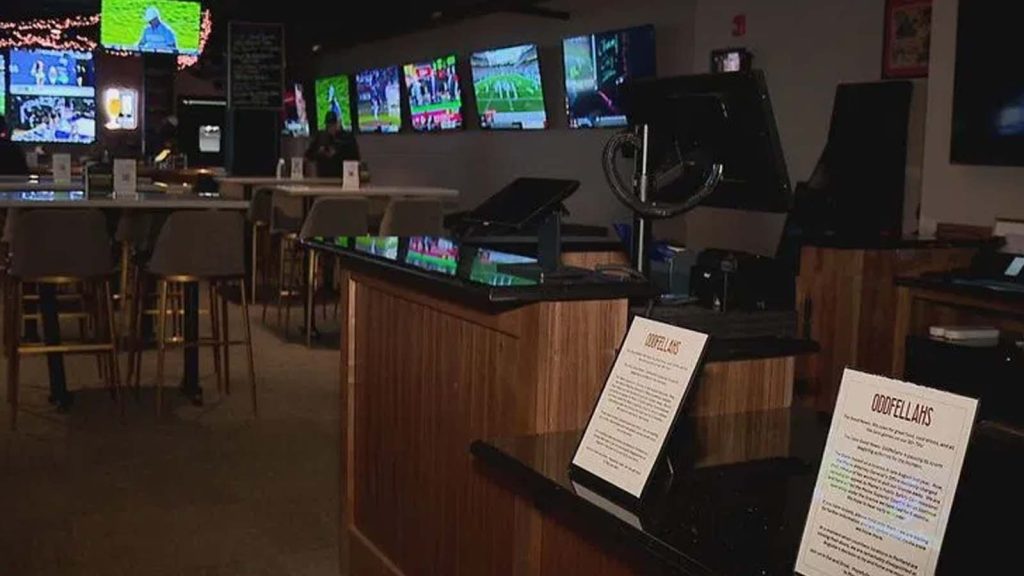
The Penobscot Nation, the Houlton Band of Maliseet Indians and the Mi’kmaq Nation share a single mobile license, operating under Caesars, that added $8,972,758 in bets, according to the Gambling Control Unit’s sports wagering filings. Two retail operations, Caesars’ in-person book at Portland’s Oddfellahs sports bar and Oxford Casino’s own sportsbook, added a combined $305,106 in wagers.
Altogether, the four operators processed $49,301,317 in bets in August, more than three times the two casinos’ combined gaming revenue. Wagers are not revenue, though. Sportsbooks pay out the large majority of what bettors risk, and August’s adjusted gross receipts, the amount kept after paying winners, totaled just $3,912,445 across all four books. DraftKings and the Passamaquoddy Tribe have taken in more than 80% of that handle since mobile sports wagering joined legal gambling in Maine in November 2023.
Two Tax Codes, One Gambling Dollar
The gap between the two markets’ tax bills comes down to rate, not size. Sports wagering is taxed at a flat 10% of adjusted gross receipts, which returned $391,244 to the state in August. Casino slot machines are taxed at 39% to 46% and table games at 16%.
That difference means the nearly $16 million the two casinos generated in August produced more than 17 times the tax that $3.9 million in sports betting revenue did. The 10% sports wagering rate has applied since Maine’s first mobile sportsbooks accepted bets in November 2023 and has not changed since, according to the Gambling Control Unit’s monthly filings back to launch.