
Pennsylvania Self-Exclusion Does Not Reach Kalshi
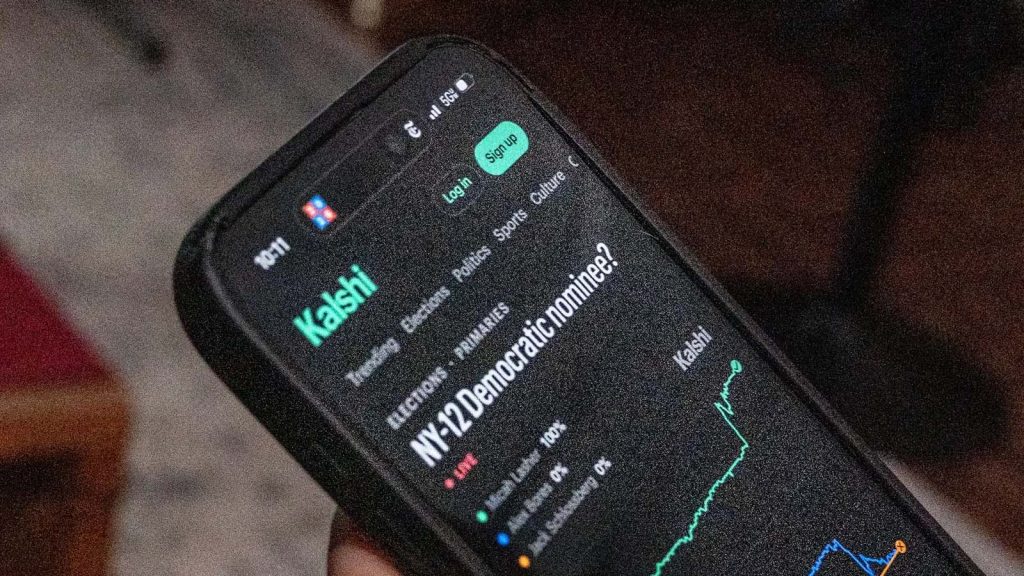
- A Pennsylvania man, 35, enrolled on the state list, which does not cover Kalshi, piled up Kalshi losses above $25,000, NPR reported.
- Pennsylvania’s iGaming list binds licensed sites and offers terms of one year, five years or a lifetime that never expires.
- Kalshi and Polymarket offer voluntary opt-outs, and the shared SelfExclude.io list tops out at one year against Pennsylvania’s lifetime option.
- The CFTC’s June proposal mentions self-exclusion once and requires none, while House Bill 2711 would make providers turn away traders who self-exclude.
HARRISBURG, Pa. – Pennsylvania’s gambling self-exclusion list does not reach Kalshi, NPR reported Friday, in the case of an enrolled resident whose Kalshi losses passed $25,000. The state program obliges licensed casinos and sportsbooks to turn enrollees away, while Kalshi, which is registered with the Commodity Futures Trading Commission (CFTC) rather than licensed by the state, runs its own voluntary opt-outs.
A Man On Pennsylvania’s List Lost $25,000 On Kalshi
NPR identified him only as Thomas, 35, who holds a financial services job in Pennsylvania. His betting started with DraftKings and FanDuel accounts in the pandemic. Online sportsbooks left him more than $50,000 behind, and he owed roughly $75,000 in card balances and personal loans, NPR reported. A bankruptcy filing came in late 2023. He then barred himself from both apps and joined Pennsylvania’s list, where enrollment tops 30,000 residents, according to state records NPR reviewed.
Roughly two years on, an Instagram promotion brought him to the exchange, promising $20 in bonus cash once he spent $10. His losses there passed $25,000, NPR said. His favored contracts tracked the bitcoin price on markets that reset every 15 minutes. Kalshi’s in-app reply to his request to close the account called self-exclusion “a responsible trading safeguard designed to be irreversible,” and the company eventually barred him after three email requests.
Dani Lever, speaking for Kalshi, called him “a cherry-picked case.” She argued that Kalshi’s revenue does not depend on what its traders lose, which in her view makes the exchange safer than a sportsbook.
Pennsylvania’s Program Binds Licensed Operators, Not Exchanges
The Pennsylvania Gaming Control Board runs four separate programs, for casinos, iGaming, video gaming terminals and fantasy contests, according to its responsible play site. A 2023 board release on its online enrollment system said the iGaming program includes online sports wagering.
Under the board’s iGaming brochure, licensed sites must refuse an enrollee’s wagers, deny gaming privileges and stop sending promotional material. An enrollee who bets anyway forfeits any winnings to the board and may face arrest. The brochure lists terms of one year, five years or a lifetime. One-year and five-year terms lapse unless extended, and lifetime terms never expire. It also says the iGaming list does not bar play at every Pennsylvania gambling venue.
Those duties fall on licensed operators, including the sportsbooks among legal Pennsylvania gambling sites. Prediction market sites such as Kalshi are not part of the automatic ban, NPR reported. Sports bets make up around 80 percent of Kalshi’s volume, NPR said, so most of the exchange’s trading falls in the category the state list blocks at licensed sportsbooks.
Kalshi Cites Federal Law, Pennsylvania’s Regulator Disagrees
Kalshi stays off state exclusion databases because signing on would mean holding a gambling license from the state, NPR reported, and the company maintains that state gambling law does not apply to it. At the federal level, NPR said, Kalshi is overseen as a seller of swaps, a financial contract.
The CFTC’s June proposed rule states the agency’s position that the Commodity Exchange Act gives it exclusive jurisdiction over trading on registered exchanges and preempts state law. A divided Third Circuit panel, whose territory includes Pennsylvania, ruled April 6 in KalshiEX LLC v. Flaherty that Kalshi has a reasonable chance of showing the act preempts New Jersey gambling law as applied to its sports contracts, and the court affirmed a preliminary injunction barring enforcement.
The Gaming Control Board takes the opposite view. In comments it released May 5, Executive Director Kevin F. O’Toole told the CFTC that the board believes prediction markets offering sports contracts are sports wagering in violation of Pennsylvania law.
Kalshi’s Opt-Outs Are Voluntary And Cannot Be Lifted Early
Kalshi’s help center says a trader can request exclusion for a set term on its website, through its API or in its app. Open positions cannot be sold while an exclusion runs, the article says. It adds that the exclusion does not limit access to Kalshi products through a futures commission merchant, a brokerage intermediary, and that the trader is ultimately responsible for not trading during the term.
Kalshi’s responsible trading hub says that once a tool is activated, it cannot be lifted or changed before its expiration date. “We’ve prioritized making Kalshi the safest venue for people to trade on,” she told NPR in a statement, listing break prompts, deposit caps and mental health counseling partnerships.
SelfExclude.io Caps Terms At One Year
SelfExclude.io, a utility run by IC360, offers a shared exclusion list for prediction markets, according to its website. Kalshi and Novig are fully integrated, while Polymarket, Robinhood, ProphetX, Matchbook and Juice Exchange are listed as coming soon.
Terms run one month, three months, six months or one year, and they cannot be shortened once set but can be extended at any time. Platforms apply the block within 24 hours of identity verification, the site says. A lifetime enrollee in Pennsylvania could get no more than a one-year block on the shared list and would have to extend it to keep it in place. The site describes no connection to state lists.
Polymarket Added Its Own Tools Sept. 30
Polymarket announced Sept. 30 that U.S. traders could set deposit limits and exclude themselves. Polymarket US’s trust page lists self-exclusion terms of one month, three months, six months, one year or permanent. During a term, a trader cannot open positions or deposit but can close positions, let them settle and withdraw available balance, and the account reopens automatically when the term ends.
Deposit limits can be set daily, weekly or monthly, and raising or removing one takes effect after a 72-hour cooldown, the page says. It names Birches Health as its treatment partner and mentions no state self-exclusion list.
The CFTC Proposal Mentions Self-Exclusion Once
The CFTC published its proposed rule, Prediction Markets; Public Interest Determinations, in the Federal Register on June 12 (91 Fed. Reg. 35806). The notice mentions self-exclusion once, on page 35857, in its cost-benefit analysis. There the commission wrote that traits such as outcomes at unpredictable intervals, near misses and loss chasing are generally associated with addictive potential. It said protective measures including position limits, cooling-off periods, notification restrictions or “self-exclusion mechanisms” might mitigate harm to retail traders.
The proposal sets no such requirement, and its rule text concerns which event contracts may be listed. It addresses responsible gambling tools only in that passage. The comment period closed July 27, and the Federal Register lists no final rule.
A Pending Pennsylvania Bill Would Not Import The State List
House Bill 2711, introduced July 22 and referred to the House Consumer Protection, Technology and Utilities Committee, would require prediction market providers to keep out “an individual who has self-excluded from using the prediction market platform,” according to the bill text. The bill does not define self-exclusion or tie it to the Gaming Control Board’s list, which covers the licensed operators behind legal online gambling in the state.